December 26, 2025
This article discusses the crucial safety practices regarding fire alarms, intending to enhance safety and compliance in residential and commercial properties. Understanding the basics of maintenance, placement, and operation of fire alarms plays a vital role in ensuring optimal performance and safety. By implementing these practices, property owners can protect both lives and assets, reducing the risk of fire-related disasters. This comprehensive guide will delve into various aspects such as understanding fire alarm basics, installation considerations, maintenance, and the importance of training and education. By doing so, it aims to empower individuals and organizations in making informed decisions about their fire safety protocols. Being proactive about fire alarm safety can make a critical difference in emergency preparedness and overall peace of mind.
Understand How Fire Alarms Detect Hazards
Fire alarms operate by detecting smoke, heat, or carbon monoxide and sounding an alert to warn occupants. Ionization detectors utilize radioactive material to ionize air, setting up an electrical current between two plates. When smoke interrupts this current, the alarm is triggered. Photoelectric alarms use a light beam; when smoke particles scatter the light, it hits a sensor, activating the alarm. In essence, these systems are early warning devices that provide crucial time to evacuate and call emergency services. Understanding the technology behind these alarms helps users appreciate their role and ensures proper placement and use.
Highlight the Importance of Early Alerts
The primary function of fire alarms is to alert occupants of a potential fire before it becomes life-threatening. These devices are often the first line of defense, giving residents the opportunity to escape and firefighters more time to mitigate damage. Alarms that are regularly maintained and strategically placed can significantly increase survival rates and minimize property destruction. The presence of a reliable fire alarm system is not just a legal requirement but a critical component of effective fire safety strategies. Early detection saves lives by providing occupants with the vital minutes needed to evacuate safely.
Describe Key Components of Fire Alarm Systems
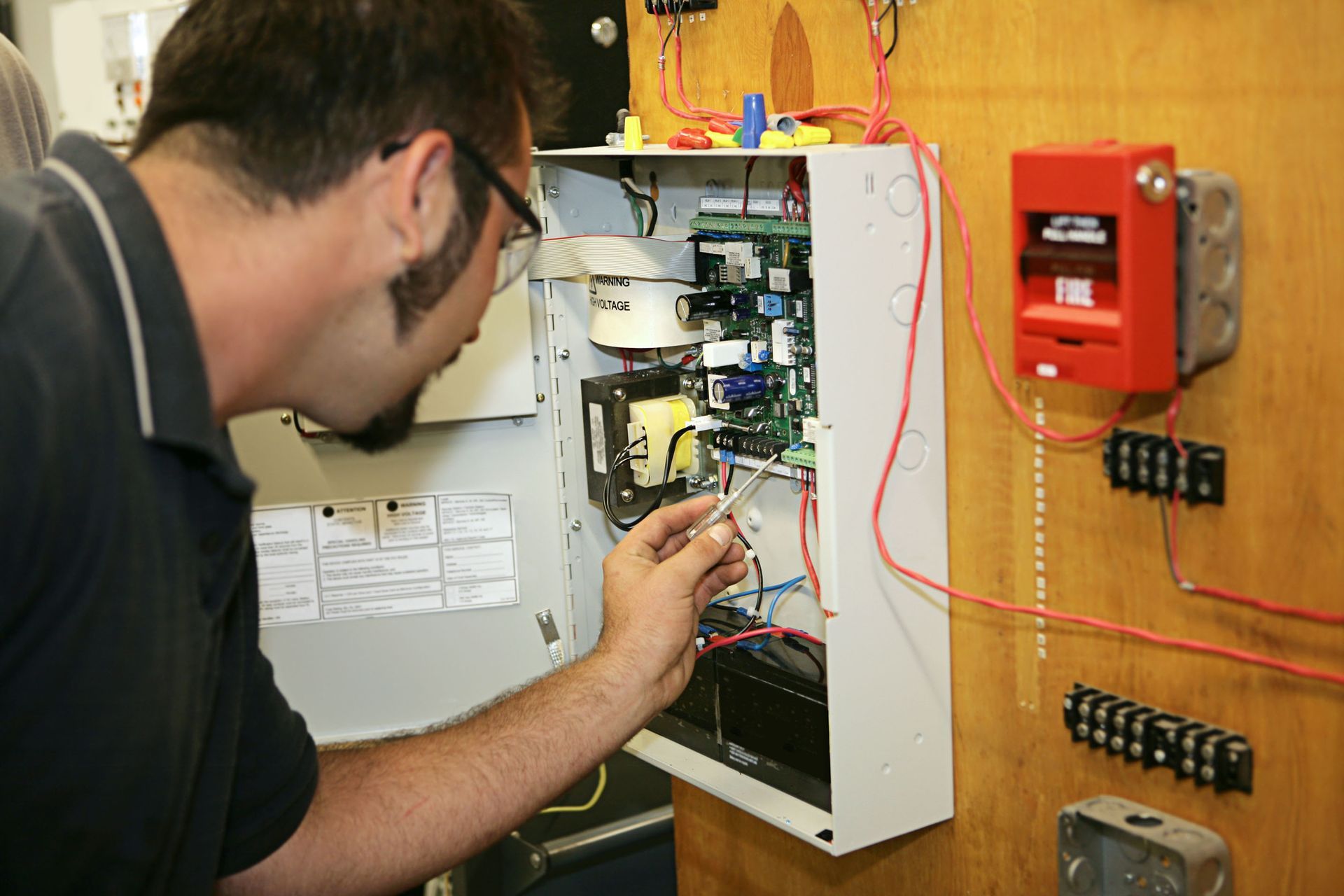
A comprehensive fire alarm system consists of several components, each playing a vital role in the detection and alert process. Key components include smoke detectors, heat detectors, manual pull stations, and alarm sounders or sirens. Control panels serve as the system's brain, processing signals from detectors and triggering the alarms. Some advanced systems also incorporate carbon monoxide detectors and emergency lighting for enhanced safety measures. Integrating these components ensures a robust, multifaceted defense against fire risks. Knowing the function of each component allows property owners to maintain and troubleshoot the system effectively.
Ensure Compliance With Safety Regulations
Compliance with fire safety regulations and standards is crucial to ensure the effectiveness and legality of fire alarm systems. In the United States, the NFPA sets forth guidelines and codes for the installation and maintenance of fire alarms. Local jurisdictions may have additional requirements, making it essential for property owners to stay informed about specific regulations applicable to their area. Regulatory compliance not only ensures safety but also protects property owners from potential legal liabilities. Regularly reviewing and updating systems in line with current standards is a proactive approach to maintaining fire safety. Adhering to these regulations also demonstrates responsible property management to tenants and insurers.
Maintain Your Fire Alarm System Regularly
Regular maintenance is essential to keep fire alarm systems in optimal working condition. Routine checks should include cleaning sensors, replacing batteries, and inspecting wiring for signs of wear or damage. Batteries should be replaced at least once a year, and if any component shows signs of malfunction, it should be addressed immediately. Establishing a maintenance schedule helps ensure that all parts of the system are inspected and kept in operational condition. This proactive maintenance approach is critical in preventing failures when alarms are most needed. Consistent upkeep minimizes the risk of false alarms and ensures readiness during an actual emergency.
Test Alarms Consistently for Proper Functioning
Fire alarms must be tested regularly to ensure they are functioning properly. According to This Old House, homeowners should test all smoke and fire detectors each month by pressing the test button. If the alarm doesn’t sound, replace the batteries or the entire unit if it’s more than 10 years old. Testing alarms in this manner ensures that both the sensor and sound components are operational. Documenting test dates and any observed issues can help in tracking the system's reliability over time. Regular testing ensures that both the detection and alert mechanisms will perform as intended when needed most.
Troubleshoot Common Fire Alarm Issues
Common issues with fire alarms can stem from improper installation, failure to regularly maintain, or environmental factors such as dust buildup. If an alarm frequently chirps, it might indicate low battery power or the need for cleaning. Faulty wiring can lead to false alarms or the failure to trigger during an incident. Understanding these symptoms and addressing them promptly ensures the reliability and accuracy of your alarm system. Troubleshooting guides from manufacturers can be valuable resources for pinpointing and resolving specific problems. Promptly addressing these issues can prevent unnecessary risks and maintain system credibility.
Conduct Fire Drills to Prepare Occupants
Fire drills are vital educational tools for preparing families and employees for potential emergencies. Regular drills familiarize occupants with the sound of alarms and the quickest evacuation routes. It’s important to conduct these drills under varying conditions and times to simulate realistic scenarios. Drills also provide an opportunity to review and reinforce the evacuation plan and assembly points. Ensuring that everyone understands their role during an emergency enhances safety and coordination during actual incidents. Frequent practice helps reduce panic and ensures smoother evacuation in real situations.
Educate on Fire Hazards and Safety Protocols
Education on fire hazards and safety protocols is crucial to minimizing risks and ensuring quick response actions. Training should cover identifying common fire hazards, proper use of fire extinguishers, and recognizing fire alarm signals. Understanding the causes of different types of fires arms individuals with the knowledge to prevent them. Safety protocols, such as "stop, drop, and roll" and safe evacuation procedures, should be thoroughly explained during training sessions. This proactive approach fosters a culture of safety awareness within homes and workplaces. Knowledgeable occupants can act confidently, reducing the chance of injury and property damage during a fire.
Train Occupants to Respond Effectively
To maximize the efficiency of fire alarm systems, it's crucial that residents and employees fully understand how to respond to them. Part of this education includes what to do immediately when an alarm sounds, including evacuating the premises and assisting those who might have mobility issues. Clear instructions on how to call emergency services and where to assemble post-evacuation are essential. Regular training sessions ensure that responses remain sharp and effective. Such education often involves collaborative efforts with professional bodies or local fire departments, who can offer expert guidance. Regular practice reinforces correct behaviors and ensures that response procedures become second nature in an emergency.
Fire alarms are an essential component of building safety protocols. By understanding, installing, maintaining, upgrading, and educating about fire alarms, individuals and businesses can significantly reduce the risk of fire-related incidents. Continuous learning and adaptation to new technologies and regulations will ensure that fire safety practices remain effective and up-to-date. Prioritizing fire alarm safety requires a commitment to regular upkeep and knowledgeable system management. In taking these actions, property owners contribute not only to their own safety but to the well-being of those around them. Reach out to Pittsburgh Fire Sprinkler to learn more today.