October 27, 2026
Commercial kitchens operate in high-risk environments where open flames, hot cooking equipment, grease buildup, and electrical appliances create constant fire hazards. A reliable fire alarm system is essential for detecting danger early, alerting employees, and helping protect customers, property, and business operations. However, even a system that once worked perfectly can become less effective as equipment ages, technology advances, and safety requirements change.
Recognizing when your system needs an upgrade can help you address vulnerabilities before they contribute to a serious incident. Regular inspections, prompt repairs, and professional kitchen suppression system services can also strengthen your overall fire protection strategy.
How Can I Tell if My Commercial Kitchen Fire Alarm System Needs an Upgrade?
Several warning signs can indicate that your commercial kitchen fire alarm system is no longer providing dependable protection. One of the most obvious is frequent false alarms. Although occasional false activations can occur, repeated alerts may point to aging detectors, improper placement, environmental interference, or underlying equipment problems. In a busy kitchen, frequent false alarms can also cause employees to become less responsive when a genuine emergency occurs.
Another concern is a system that fails to activate consistently during testing. Warning lights, trouble signals, damaged wiring, and communication failures between detectors and the control panel should never be ignored. If replacement parts are difficult to obtain or repairs have become increasingly expensive, upgrading the system may be more practical than continuing to maintain outdated equipment.
Changes to your kitchen layout also matter. Installing additional fryers, grills, ovens, or ventilation equipment can change the area's fire risks. Renovations may affect detector placement, alarm audibility, and the coverage provided by existing equipment. A system designed for a smaller or differently configured kitchen may no longer provide adequate protection.
Consider whether employees can clearly hear alarms throughout the kitchen, storage areas, and adjacent dining spaces. Excessive background noise can make audible alerts difficult to recognize. Modern notification devices may offer improved sound coverage and visual signals that help communicate emergencies more effectively.
What Risks Are Associated With an Outdated Fire Alarm System?
An outdated fire alarm system can leave a commercial kitchen vulnerable to delayed detection, ineffective warnings, and avoidable property damage. Cooking fires can escalate rapidly, especially when grease, combustible materials, and ventilation systems are involved. If employees do not receive a timely warning, they may lose valuable seconds that could otherwise be used to initiate emergency procedures and evacuate the building.
Fire alarms also play an important role in protecting people beyond the immediate cooking area. A fire that begins behind a range or inside an exhaust hood may spread before employees notice visible flames or smoke. Properly designed detection and notification systems help communicate danger to people who cannot directly see the fire.
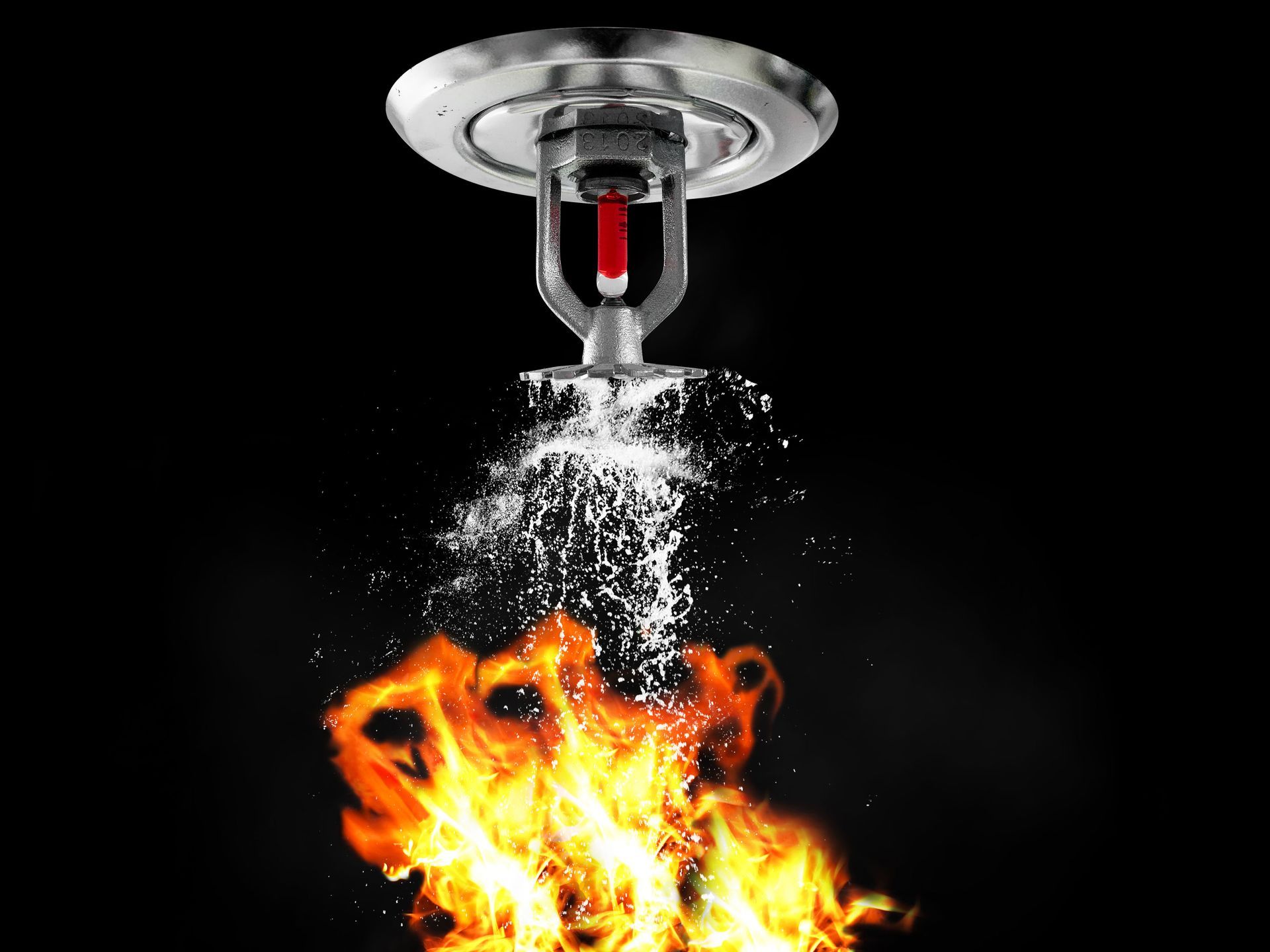
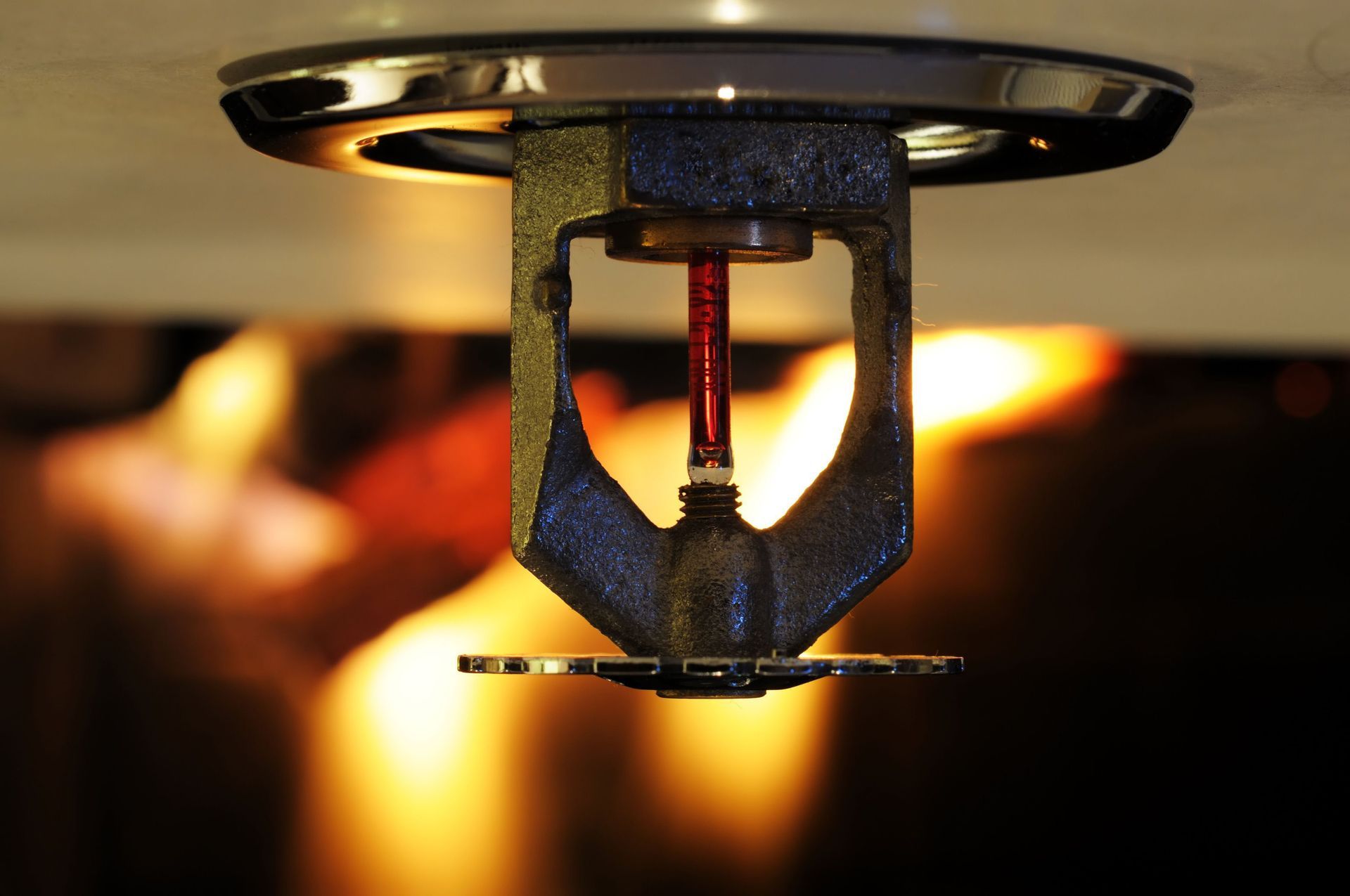
The U.S. Fire Administration emphasizes the value of layered protection. According to the agency, having fire sprinklers and smoke alarms can reduce the risk of dying in a fire by 82%. Although these measures serve different purposes from commercial cooking suppression systems, the statistic illustrates why businesses should not rely on a single safety device.
Outdated equipment can also create compliance problems. Applicable fire codes, building requirements, equipment listings, and inspection obligations may change over time. A system that met the requirements when it was installed may need modifications to remain appropriate for the building's current use. Business owners should work with qualified professionals to determine which requirements apply to their facility.
Financial consequences extend beyond repairs and replacement costs. A serious kitchen fire can interrupt service, damage inventory, require extensive cleaning, and force a business to close temporarily. Depending on the circumstances, an incident may also affect insurance coverage, customer confidence, and employee safety.
How Often Should I Have My Fire Alarm System Checked?
Regular inspections and testing are essential for keeping commercial fire alarm systems operational. The appropriate schedule depends on the equipment installed, applicable codes, manufacturer recommendations, and local authority requirements. Businesses should establish a maintenance plan that addresses both routine checks and more comprehensive professional evaluations.
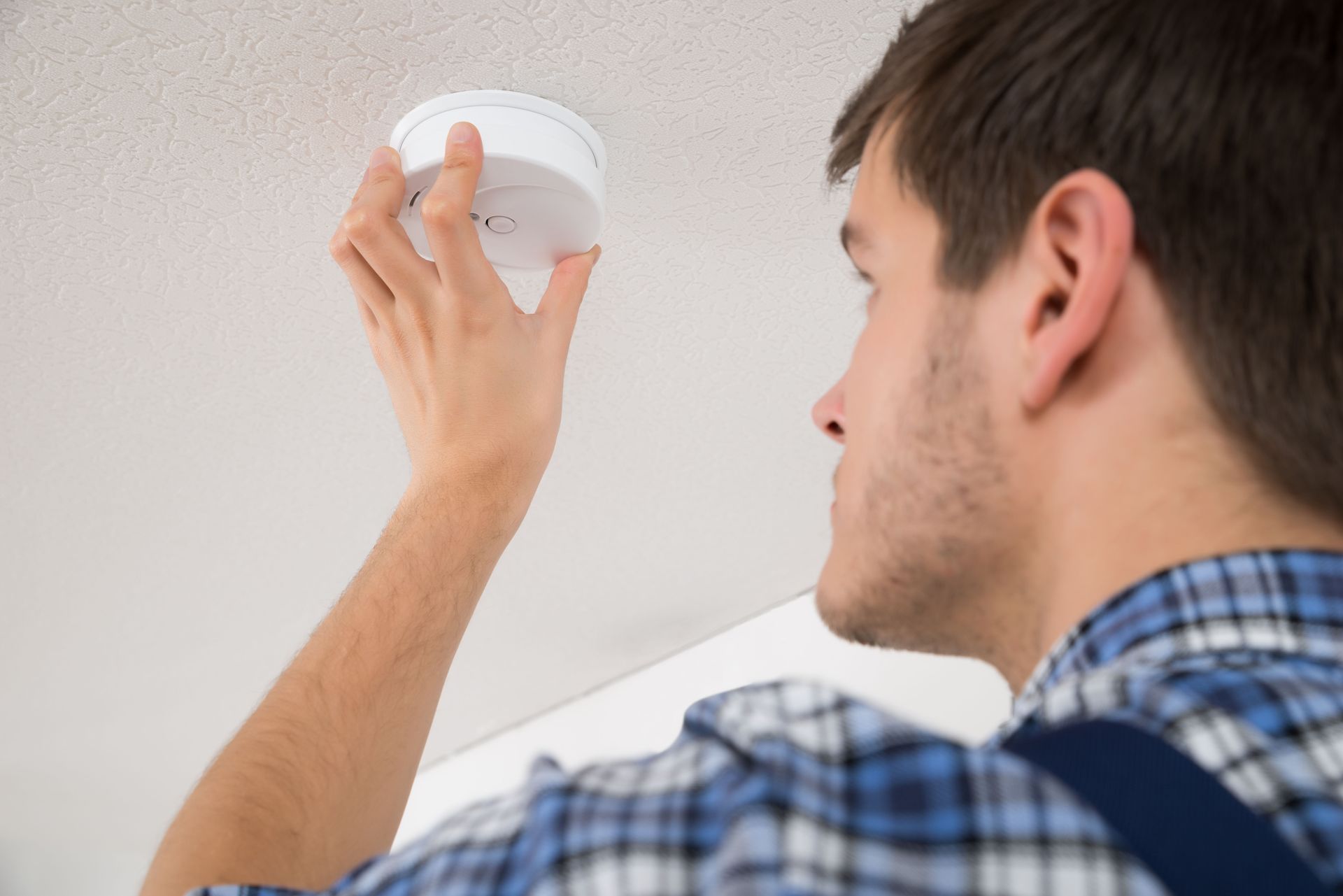
A qualified fire protection technician can inspect control panels, detectors, notification devices, backup power supplies, wiring, and connections to other safety equipment. Testing can help identify deteriorating components, communication failures, and other problems before they compromise system performance.
Commercial cooking suppression equipment has its own maintenance requirements. NFPA 96, the standard addressing ventilation control and fire protection for commercial cooking operations, calls for inspection and maintenance of covered fire-extinguishing systems at least every six months by appropriately qualified personnel. Applicable requirements and manufacturer instructions should also be followed.
Businesses should not assume that maintaining a suppression system automatically satisfies every fire alarm inspection requirement. These systems serve different functions, even when they communicate with one another. A coordinated maintenance schedule helps ensure that each component receives the appropriate attention.
Between professional inspections, managers should watch for trouble indicators, visible damage, obstructed devices, and other signs of malfunction. Employees should know how to report concerns immediately rather than waiting for the next scheduled appointment.
What Are the Latest Advancements in Fire Alarm Technology for Commercial Kitchens?
Modern fire alarm technology offers several improvements that can help commercial kitchens detect emergencies, communicate warnings, and manage maintenance more effectively.
Addressable fire alarm systems, for example, can identify the specific detector or device that triggered an alert. Compared with conventional systems that identify an affected circuit or zone, this capability can help staff and technicians locate problems more quickly. That distinction is valuable in larger facilities with multiple cooking stations, storage areas, and dining spaces.
Remote monitoring is another useful development. Depending on the system configuration, monitoring services can notify designated personnel or a monitoring center when alarms or equipment trouble signals occur. These notifications can improve awareness when a building is unoccupied, although remote monitoring does not replace emergency response procedures or required on-site inspections.
Some newer systems also provide more detailed diagnostic information, helping maintenance teams identify developing faults and track equipment performance. Improved visual notification devices can complement audible alarms in noisy kitchens, while integration with other building safety systems can coordinate responses during an emergency.
How Do Kitchen Suppression System Services Contribute to an Effective Fire Safety Strategy?
A commercial kitchen needs more than a functioning alarm to provide comprehensive fire protection. An effective strategy combines early detection, clear emergency notifications, appropriate suppression equipment, employee training, and consistent maintenance.
Kitchen suppression system services help maintain equipment designed to control fires involving cooking appliances, grease filters, exhaust plenums, and associated ductwork. Depending on the installed system, activation may also trigger alarms and shut down fuel or electrical supplies to protected cooking equipment. These functions must be properly configured and maintained to work together reliably.
Professional service can also identify problems such as obstructed discharge nozzles, damaged detection components, overdue maintenance, or changes to cooking equipment that affect system coverage. When kitchen layouts change, the suppression system and alarm interfaces should be evaluated to determine whether modifications are necessary.
Business owners should also train employees to recognize alarms, follow evacuation procedures, and understand the location and operation of manual suppression-system releases.
Combining dependable alarms with
kitchen suppression system services, employee training, and documented maintenance creates a stronger foundation for fire safety. Taking action when warning signs first appear can help commercial kitchens reduce preventable risks and remain better prepared for emergencies. IF you need a new fire alarm system, reach out to Pittsburgh Fire Sprinkler today!