October 26, 2026
Protecting your home from fire hazards is one of the most important responsibilities of being a homeowner. While many people focus on securing doors, maintaining appliances, and preventing accidents, fire safety deserves just as much attention. One of the most effective ways to protect your household is by installing and maintaining reliable fire alarms. These devices provide early warnings that can make a significant difference during an emergency, giving occupants valuable time to respond and evacuate safely.
Understanding how fire alarms work, where they should be installed, and how to maintain them can help homeowners create a safer living environment. From choosing the right equipment to recognizing when replacements are necessary, there are several important factors to consider. This guide explores what every homeowner should know about residential fire protection and how proper alarm maintenance contributes to household safety.
How Fire Alarms Work
Fire alarms are designed to detect potential fire hazards and alert occupants before conditions become life-threatening. In residential settings, smoke alarms are the most common devices used for early fire detection. These devices continuously monitor the surrounding air for smoke particles and activate an audible warning when smoke is detected.
There are two primary types of smoke detection technology: ionization and photoelectric. Ionization smoke alarms are generally more responsive to fast-flaming fires, while photoelectric alarms are typically more responsive to slow, smoldering fires. Both technologies offer important benefits, and homeowners may consider dual-sensor models that incorporate both detection methods.
Some residential systems also include interconnected alarms that communicate with one another. When one alarm detects smoke, every connected alarm sounds throughout the property. This feature is particularly beneficial in larger homes where occupants may not hear an alarm activated in another room.
Understanding these technologies helps homeowners make informed decisions about their household fire protection equipment.
Where Fire Alarms Should Be Installed
Proper placement is essential for maximizing the effectiveness of residential fire detection systems. Even high-quality alarms may provide inadequate protection when installed in the wrong locations. Homeowners should follow applicable building codes and manufacturer recommendations when determining appropriate placement.
Generally, smoke alarms should be installed inside every bedroom, outside each separate sleeping area, and on every level of the home, including basements. Installing alarms in hallways near bedrooms helps alert sleeping occupants when smoke develops elsewhere in the property.
Ceiling-mounted alarms are often recommended because smoke naturally rises. However, specific installation requirements vary depending on ceiling height, room configuration, and the manufacturer's instructions. Homeowners should also avoid placing smoke alarms too close to cooking appliances, bathrooms, or ventilation systems where steam, cooking particles, or airflow could interfere with detection.
Larger properties may require additional devices to provide adequate coverage. Consulting a qualified fire protection professional can help homeowners identify potential gaps in their existing alarm placement.
Why Fire Alarm Maintenance Matters
Installing fire alarms is only the beginning of maintaining a safe household. These devices require regular attention to remain functional and provide dependable warnings during emergencies. Dust accumulation, aging components, depleted batteries, and environmental conditions can affect performance over time.
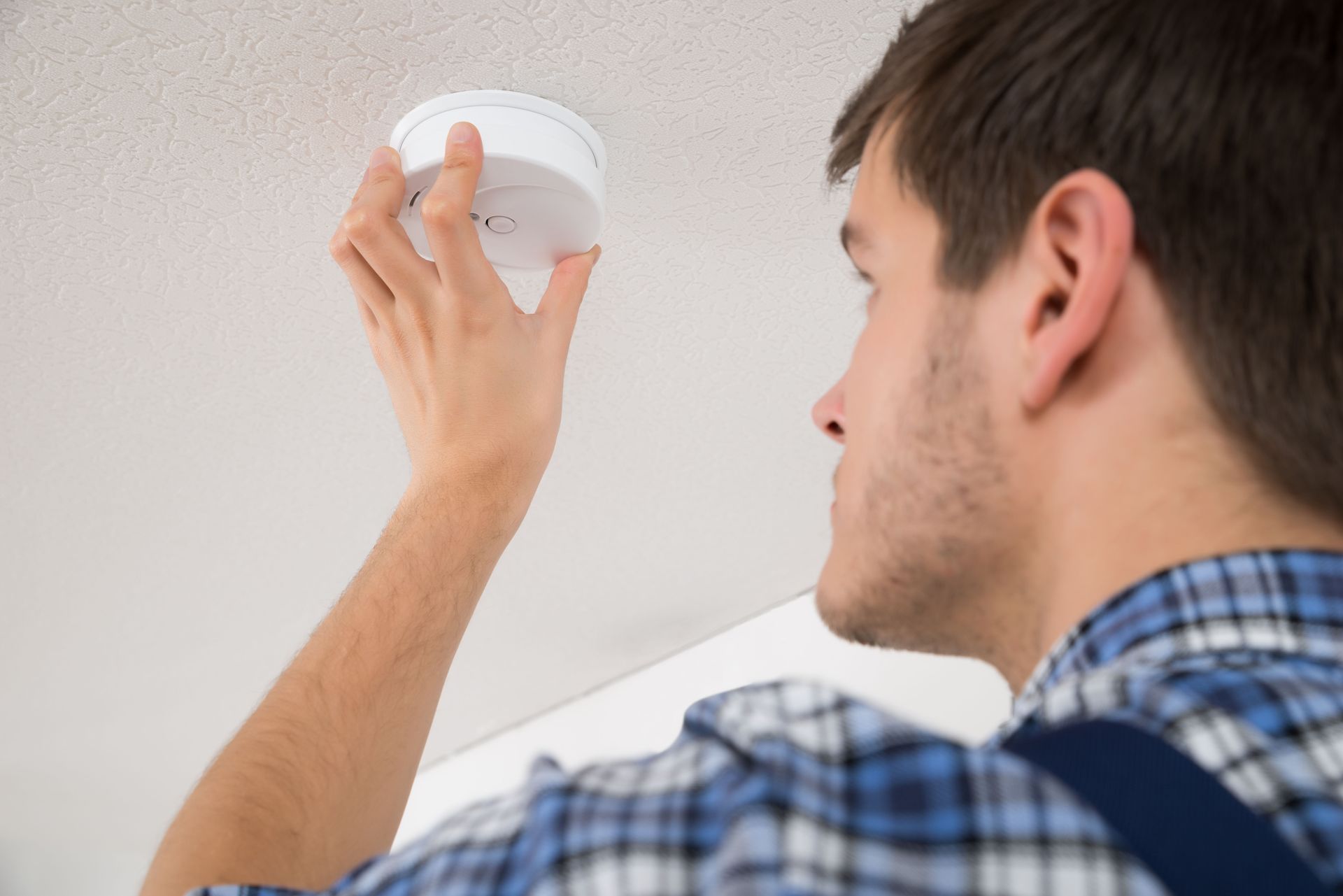
According to This Old House, homeowners should test all smoke and CO detectors monthly by pressing the test button and, if the alarm doesn't sound, they should replace the batteries or the entire unit if it's more than 10 years old.
Monthly testing helps homeowners identify potential problems before an emergency occurs. However, pressing the test button primarily verifies the alarm's electronic circuitry and audible warning, rather than confirming its ability to detect smoke.
Homeowners should also follow manufacturer instructions for cleaning their devices. Gently removing accumulated dust can help prevent interference with internal sensors. Battery-powered models may require periodic battery replacements, while hardwired alarms often contain backup batteries that also need attention.
Maintaining a consistent inspection schedule reduces the likelihood of discovering malfunctioning equipment during a dangerous situation.
When Fire Alarms Need Replacement
Even properly maintained fire alarms have a limited operational lifespan. Over time, internal sensors and electronic components can deteriorate, potentially reducing the device's ability to detect smoke accurately. Homeowners should never assume that an alarm remains effective simply because it appears undamaged.
Most residential smoke alarms should be replaced 10 years after their manufacture date, although homeowners should always consult the manufacturer's specific recommendations. The manufacture date is typically printed on the back or side of the device.
Several warning signs may indicate that an alarm needs attention or replacement. Frequent false alarms, unexplained chirping, physical damage, and failure during routine testing can all signal potential problems. While chirping sometimes indicates a low battery, persistent warning sounds may suggest an issue requiring further investigation.
Homeowners purchasing an existing property should inspect the age and condition of installed alarms. Replacing outdated devices before moving in can help establish a reliable foundation for household fire protection.
The Benefits of Interconnected Fire Alarms
Interconnected fire alarms offer an additional layer of protection by creating a coordinated warning system throughout the home. Rather than operating independently, these devices communicate so that an activated alarm triggers the others.
This capability is especially valuable in multi-story homes, properties with finished basements, and residences with bedrooms located far from common living areas. For example, smoke originating in a basement utility room may activate an alarm that immediately alerts occupants sleeping upstairs.
Interconnected systems can operate through hardwired connections or compatible wireless technology. Wireless interconnected alarms may be particularly useful in existing homes where installing additional wiring would require substantial modifications.
Some modern systems also offer smart features, including mobile notifications and remote monitoring capabilities. These functions can provide additional awareness, although they should never replace properly functioning audible alarms.
Homeowners considering an interconnected system should verify equipment compatibility and consult qualified professionals regarding installation requirements. A coordinated detection system can improve household awareness and help occupants respond more quickly.
How Fire Alarms Complement Sprinkler Systems
Although fire alarms are essential for early detection, they serve a different purpose from residential fire sprinkler systems. Understanding how these technologies work together can help homeowners develop a more comprehensive fire protection strategy.
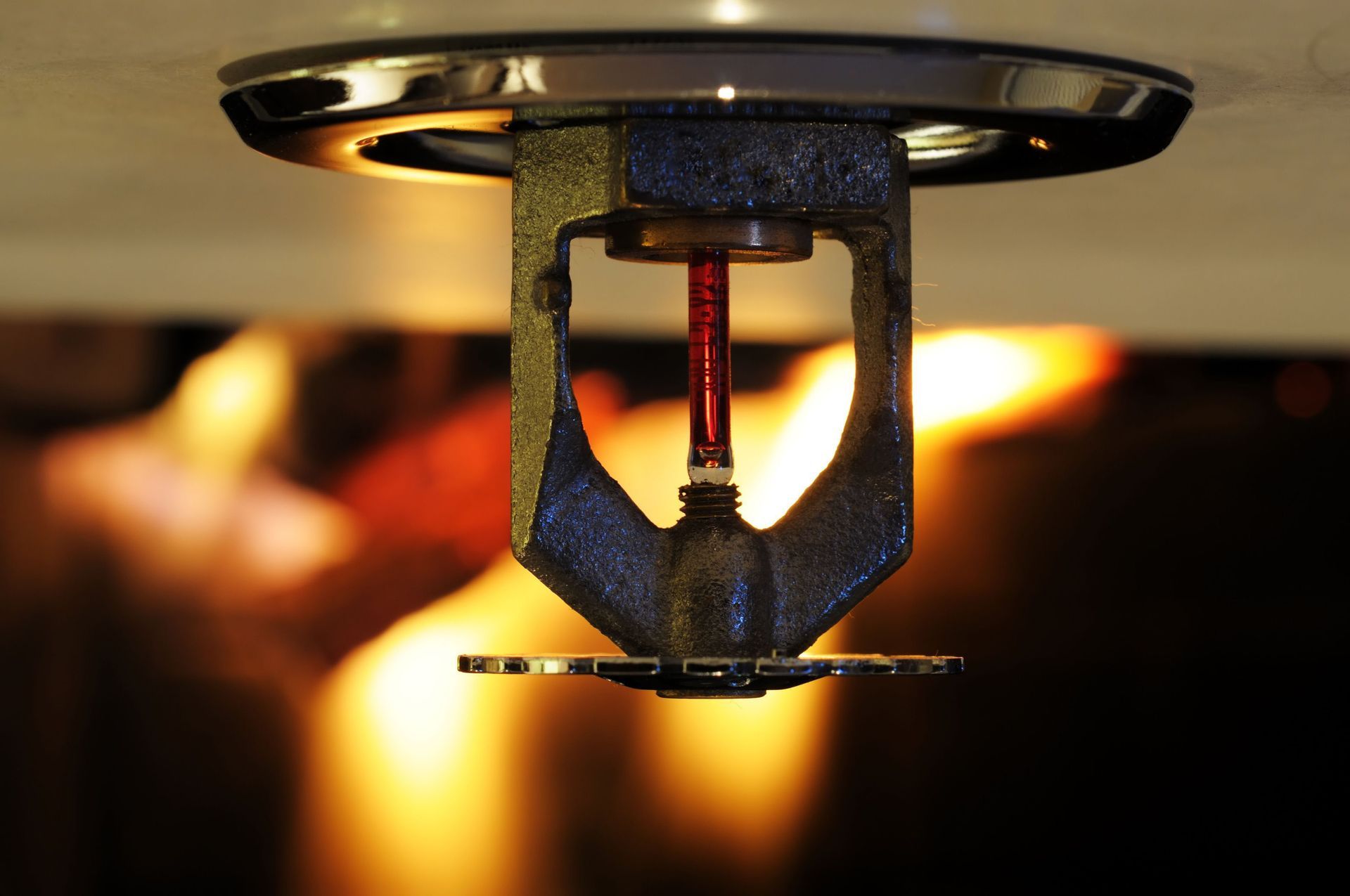
Smoke alarms primarily notify occupants when potential danger is detected. Fire sprinklers, meanwhile, are designed to respond to heat and discharge water directly over an affected area when the temperature reaches the sprinkler's activation threshold.
Unlike common portrayals in movies, residential sprinkler systems generally activate individual sprinkler heads exposed to sufficient heat rather than releasing water throughout the entire property simultaneously.
Combining detection and suppression equipment can provide complementary benefits. Alarms give occupants an opportunity to evacuate, while sprinklers can help control or suppress a developing fire.
Professional installation and maintenance are important for both systems. Homeowners should also remember that sprinklers do not eliminate the need for smoke alarms, evacuation planning, or other fire prevention measures.
How to Prepare for Fire Emergencies
Fire alarms are most effective when household members understand how to respond after hearing them. Developing an emergency evacuation plan is an important part of residential fire safety.
Every household should identify at least two possible exits from each room whenever practical. Family members should understand how to reach these exits and where to gather outside after evacuating.
Practicing evacuation procedures can help reduce confusion during an actual emergency. Children should learn to recognize alarm sounds, while adults should consider the needs of older relatives, individuals with mobility limitations, and household pets.
Homeowners should also establish a designated outdoor meeting location and emphasize that nobody should reenter the property until emergency personnel declare it safe.
If an alarm activates, occupants should treat it as a potential emergency and evacuate promptly rather than spending valuable time investigating the source.
Understanding the importance of
fire alarms is an essential part of responsible homeownership. Proper installation, regular testing, timely replacements, and emergency preparedness all contribute to a safer household. Whether upgrading outdated equipment or exploring additional protection through residential sprinkler systems, homeowners should take a proactive approach to fire safety. Pittsburgh Fire Sprinkler understands the importance of dependable fire protection and the role properly maintained systems play in protecting residential properties. Contact us today to learn more about available fire protection solutions and how professional services can help improve your home's overall safety.