August 26, 2026
An operational fire alarm system serves as a silent, continuous line of defense for commercial facilities, multi-family residences, and industrial properties. While most people rarely pay attention to control panels, smoke detectors, or pull stations during their daily routines, these components must function perfectly in a crisis. Over time, dust accumulation, electrical surges, wiring degradation, and environmental wear can quietly degrade the reliability of life safety equipment. Routine inspections ensure that when a fire occurs, every alarm sounds, every strobe flashes, and emergency notifications reach first responders instantly.
Partnering with licensed fire alarm companies guarantees that a building's life safety setup receives comprehensive testing from trained professionals. A professional inspection is far more thorough than simply pushing a test button on a single device. It involves a systematic, methodical evaluation of every device, circuit, power source, and signal path across the entire property. Understanding what happens during this process helps property managers, facility directors, and business owners prepare effectively while maintaining full compliance with local building codes and national safety standards.
What Occurs Before the On-Site Inspection Begins
Every thorough life safety inspection begins well before a technician sets foot inside the building. Professional fire alarm companies start by reviewing historical records, system blueprints, and previous maintenance logs. This initial preparation allows technicians to understand the specific layout of the system, identify any recurring trouble signals, and verify the age and model of key components. Understanding the property's unique architecture ensures that no remote detector or hidden pull station is overlooked during testing.
Pre-inspection planning also involves direct communication with facility managers to minimize disruption. Because testing requires activating audible horns, voice evacuation systems, and flashing strobes, technicians coordinate ideal testing windows with property owners. Furthermore, certified fire alarm companies notify the local fire department and central monitoring station before activating any signals. This crucial step prevents accidental dispatches of emergency personnel, saving local emergency services valuable resources and avoiding costly false alarm fines for the property owner.
What Occurs During the Physical and Visual Evaluation
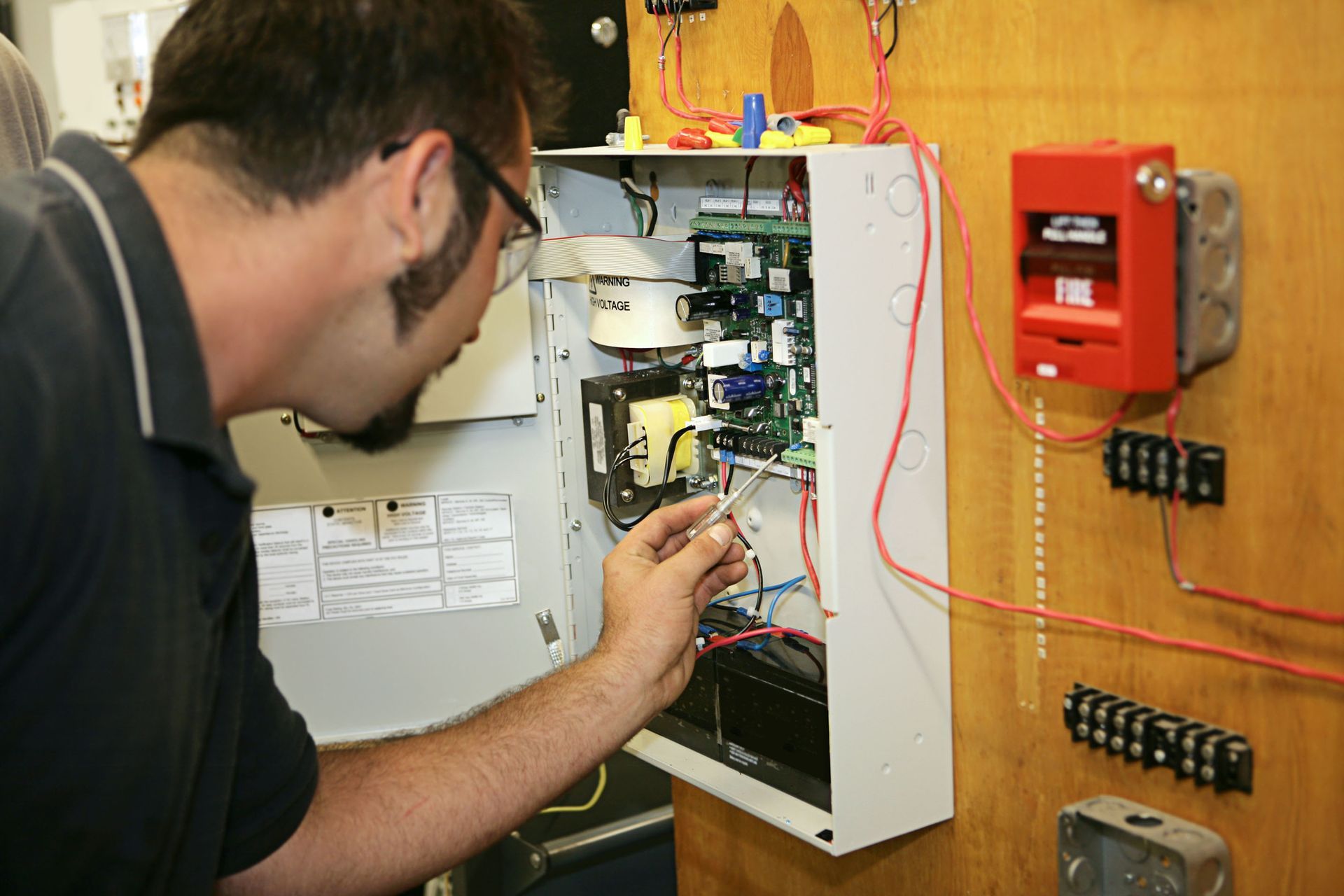
Once on-site, technicians perform a comprehensive visual inspection of every accessible component. This stage focuses on identifying physical damage, structural shifts, or environmental factors that could compromise system function. Technicians inspect control panels, remote annunciators, manual pull stations, smoke sensors, heat detectors, waterflow switches, and notification appliances. They ensure that every device remains securely mounted, free from corrosion, and unblocked by recent renovations, high shelves, or decorative elements.
Visual checks extend to the spatial layout of the building as well. Over time, room repurposing, added walls, or altered storage configurations can impact how effectively smoke reaches a detector or how well a strobe light covers a room. Experienced technicians evaluate device placement relative to current building configurations to ensure optimal coverage. Visual checks also include inspecting wiring runs and conduit for signs of fraying, exposure, or moisture intrusion that could cause short circuits or delayed responses during an emergency.
What Occurs During Functional and Device Testing
The core phase of the process involves testing the functional mechanics of each device on the network. Technicians use specialized tools to introduce real-world conditions to sensors without damaging the equipment. For example, smoke detectors are tested using aerosolized smoke simulators or calibrated heat guns to verify their sensitivity levels and trigger speeds. Manual pull stations are physically actuated to confirm that pulling the lever sends an immediate signal to the primary panel.
Testing extends far beyond commercial properties, as early detection remains equally critical in residential environments. According to a North Carolina report featured on Yahoo! News, missing or non-functional smoke detectors were a factor in more than 50% of fatal house fires in 2025. This troubling reality highlights why every life safety system, whether in a sprawling office complex or a residential housing development, requires routine functional verification. Ensuring that every sensor communicates properly with its central interface is a vital responsibility shared by property managers and professional fire alarm companies.
What Occurs During Power Source and Battery Verification
A fire alarm system must remain fully operational even during widespread power outages. Therefore, evaluating primary and secondary power supplies is a vital phase of every professional inspection. Technicians measure the primary electrical input to confirm stable voltage levels and verify that dedicated circuit breakers are clearly identified and locked in the operational position. A sudden drop in main power should trigger a seamless transition to emergency backup power without dropping signals or causing system faults.
To test secondary power sources, technicians disconnect the primary electrical supply, forcing the system to run entirely on backup batteries. They measure battery voltage under load, check internal resistance, and inspect terminals for corrosion or leakage. Backup batteries must maintain sufficient capacity to power the system in standby mode for a designated timeframe, typically twenty-four hours, followed by several minutes of full alarm activation. Reputable fire alarm companies replace aging or degraded batteries proactively during these checks to prevent system failures during power disruptions.
What Occurs During Signal and Integration Verification
A fire alarm panel must do more than just sound local horns; it must communicate across networks and interact with other building systems. Technicians verify that alarm, supervisory, and trouble signals transmit accurately from the local control panel to the central monitoring station. This is accomplished by triggering manual signals and verifying that the monitoring facility receives the exact event details, location tags, and device addresses within seconds.
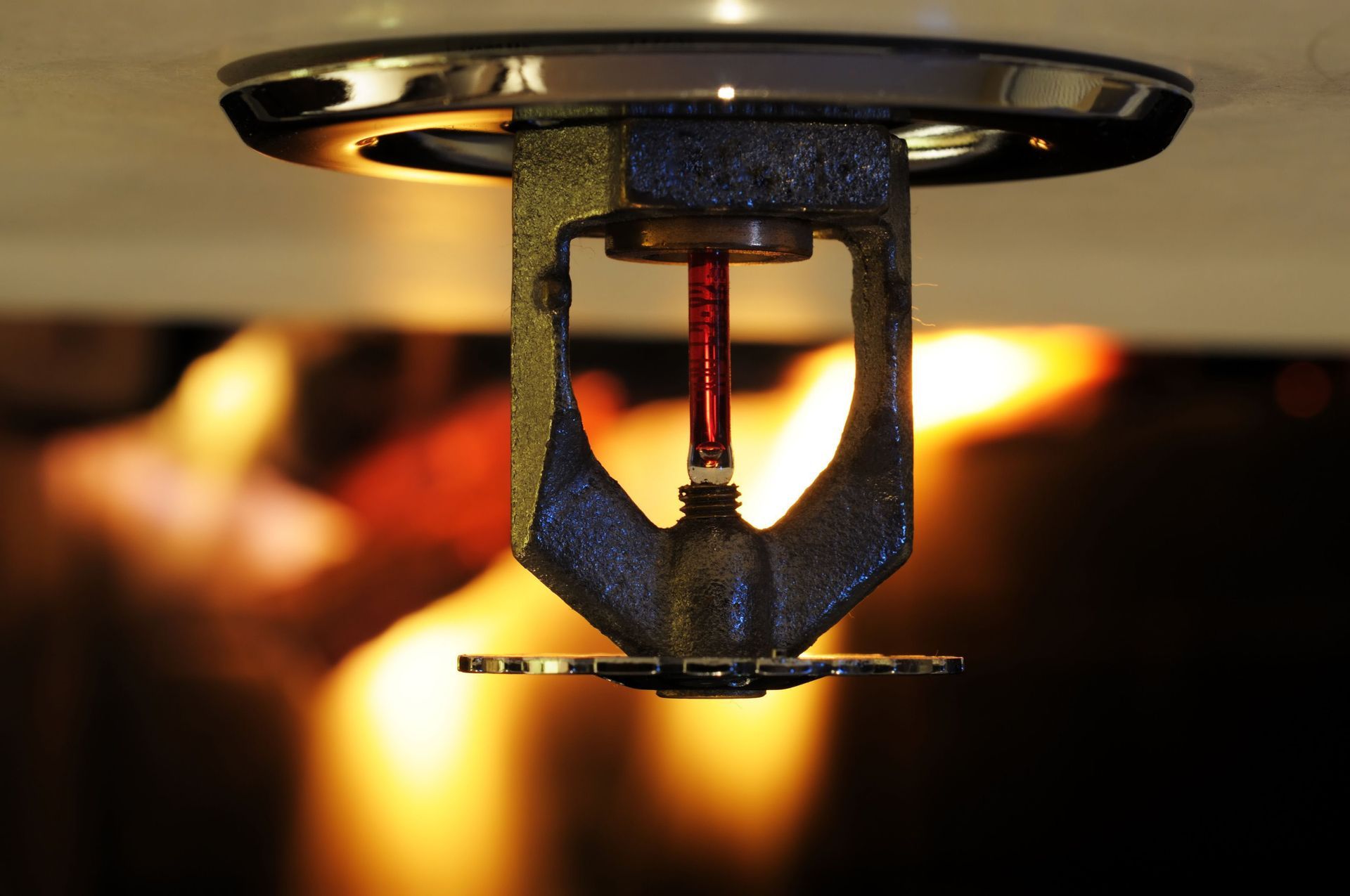
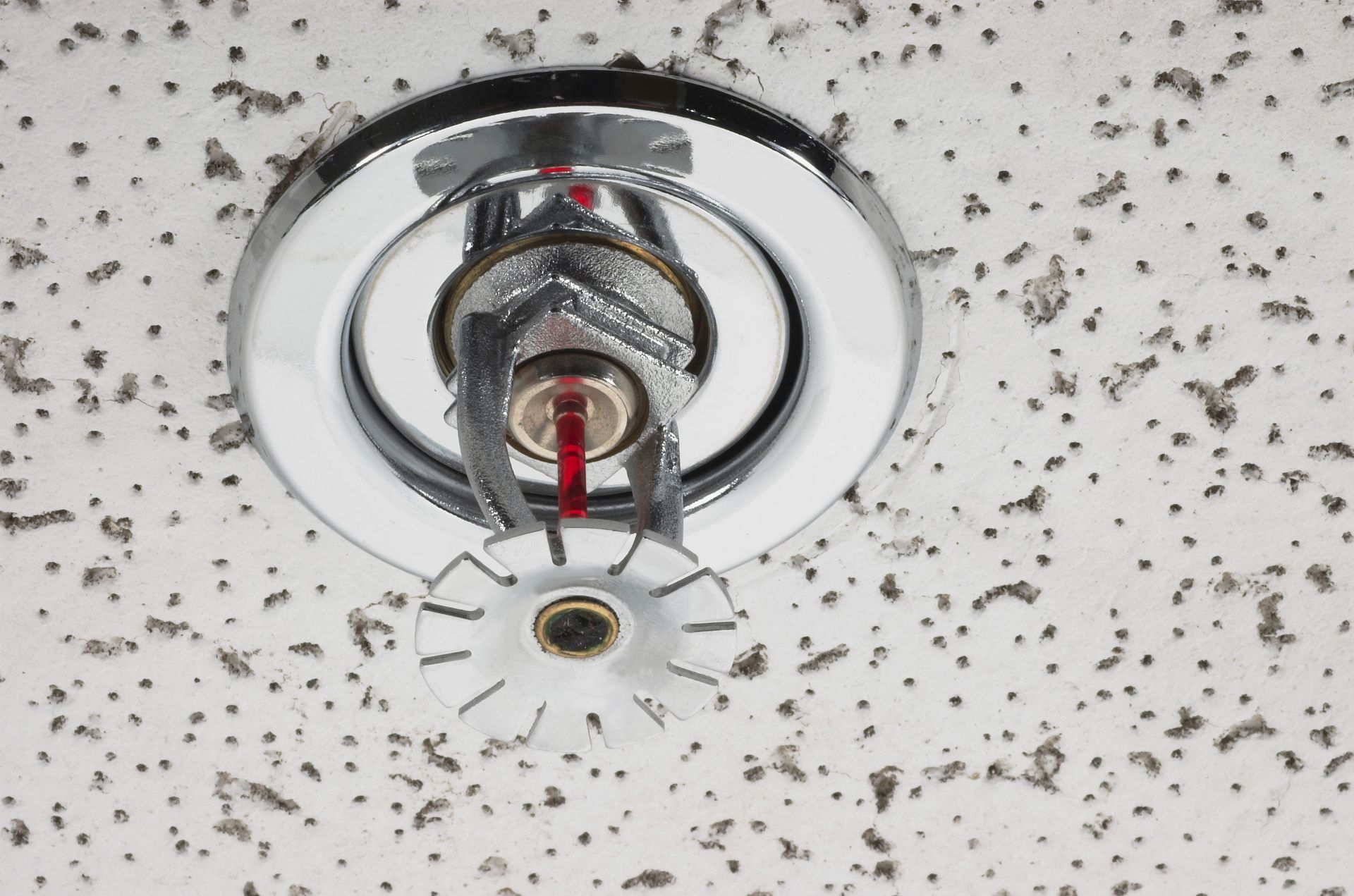
Modern facilities often integrate fire panels with HVAC systems, elevator controls, security access doors, and automatic fire sprinkler networks. During testing, technicians verify that an alarm signal triggers the appropriate building automation responses. Air handling units should shut down or switch to smoke evacuation mode to prevent toxic fumes from circulating. Security doors should automatically unlock to allow rapid egress, and elevators should recall to the primary ground floor. Confirming these interconnected operations ensures that the entire facility responds cohesively to limit damage and protect human life.
What Occurs After the Inspection Is Finished
After completing physical, functional, and integrated testing, technicians restore the fire alarm panel to its normal operational state. They notify the central monitoring station and local fire authorities that testing is complete and that the system is back online. Before leaving the facility, technicians walk the property owner or facility manager through any immediate findings, addressing minor issues that were corrected on the spot or highlighting urgent repairs that require follow-up work.
The process concludes with detailed documentation. Professional fire alarm companies compile comprehensive inspection reports that detail the condition and pass-fail status of every individual device. These records outline panel event logs, battery discharge results, device addresses, and specific recommendations for repairs or upgrades. Property owners must retain these reports on-site to demonstrate full code compliance during visits from local fire marshals, insurance auditors, and municipal inspectors. Thorough documentation provides clear proof that the facility maintains an active, fully verified life safety infrastructure.
Maintaining a fully operational life safety system is not just about meeting mandatory building codes—it is a fundamental responsibility to protect lives, safeguard assets, and ensure continuity for your property. Routine professional inspections, power source verifications, and integrated signal testing give facility owners total confidence that their equipment will perform flawlessly in an emergency. To keep your property code-compliant and fully protected 24/7, contact Pittsburgh Fire Sprinkler today to schedule your comprehensive fire system inspection.