July 23, 2026
Selecting the appropriate fire protection system is a vital decision for any property owner looking to secure an investment. Automated systems provide an essential line of defense against unexpected disasters, protecting both human lives and physical assets from severe damage. Understanding the differences between available technologies ensures that your building remains compliant with local safety regulations while offering optimal coverage.
Making the wrong choice can lead to catastrophic system failures or extensive property damage over time. For instance, choosing the right fire sprinklers for your building requires a clear assessment of regional weather patterns and internal temperature controls. Property owners must weigh factors such as installation costs, maintenance demands, and reaction times before finalizing their safety plans. By evaluating these elements thoroughly, you can implement a dependable setup that safeguards your investments and ensures long-term peace of mind.
Analyze Wet Pipe Systems
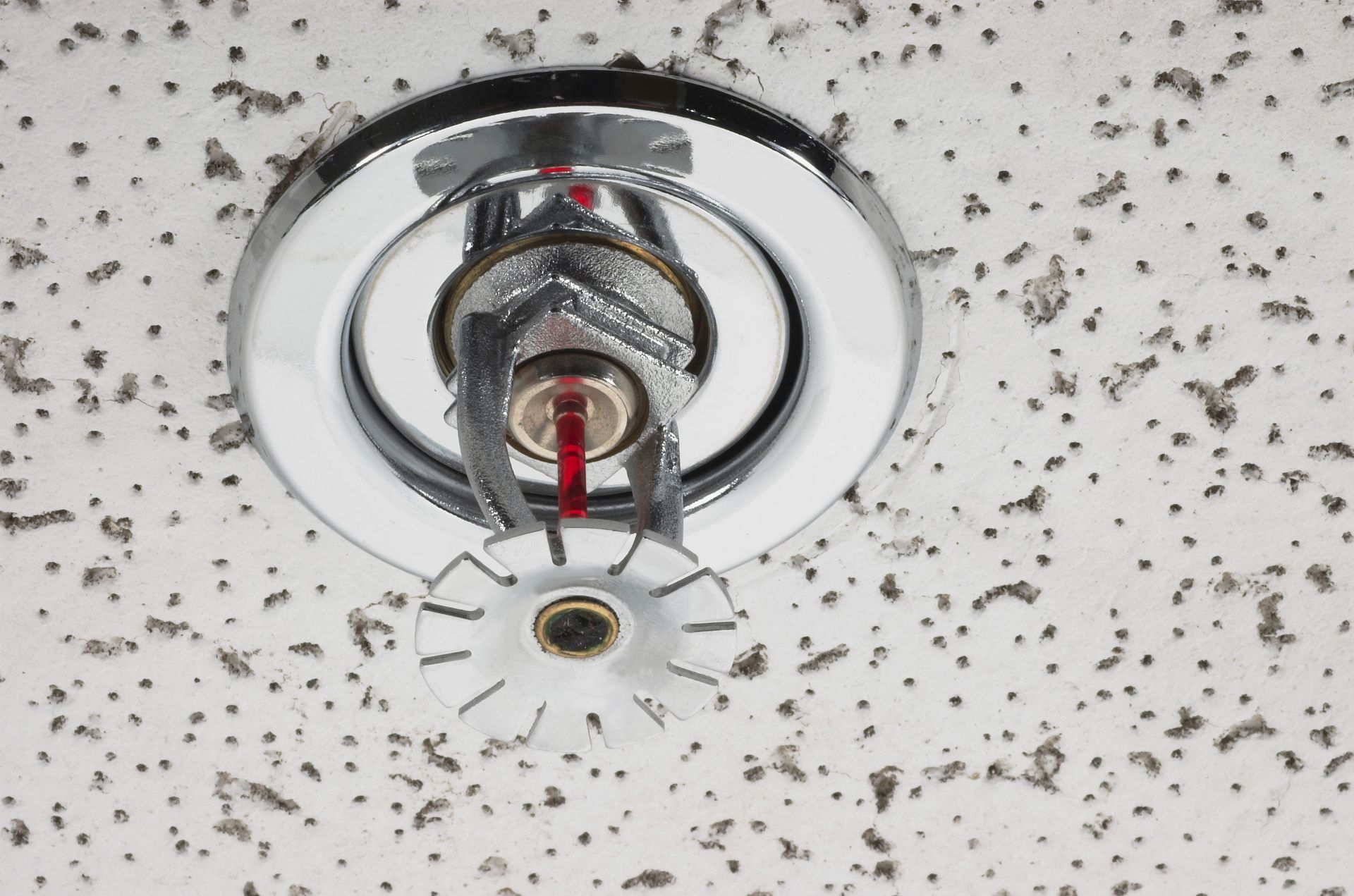
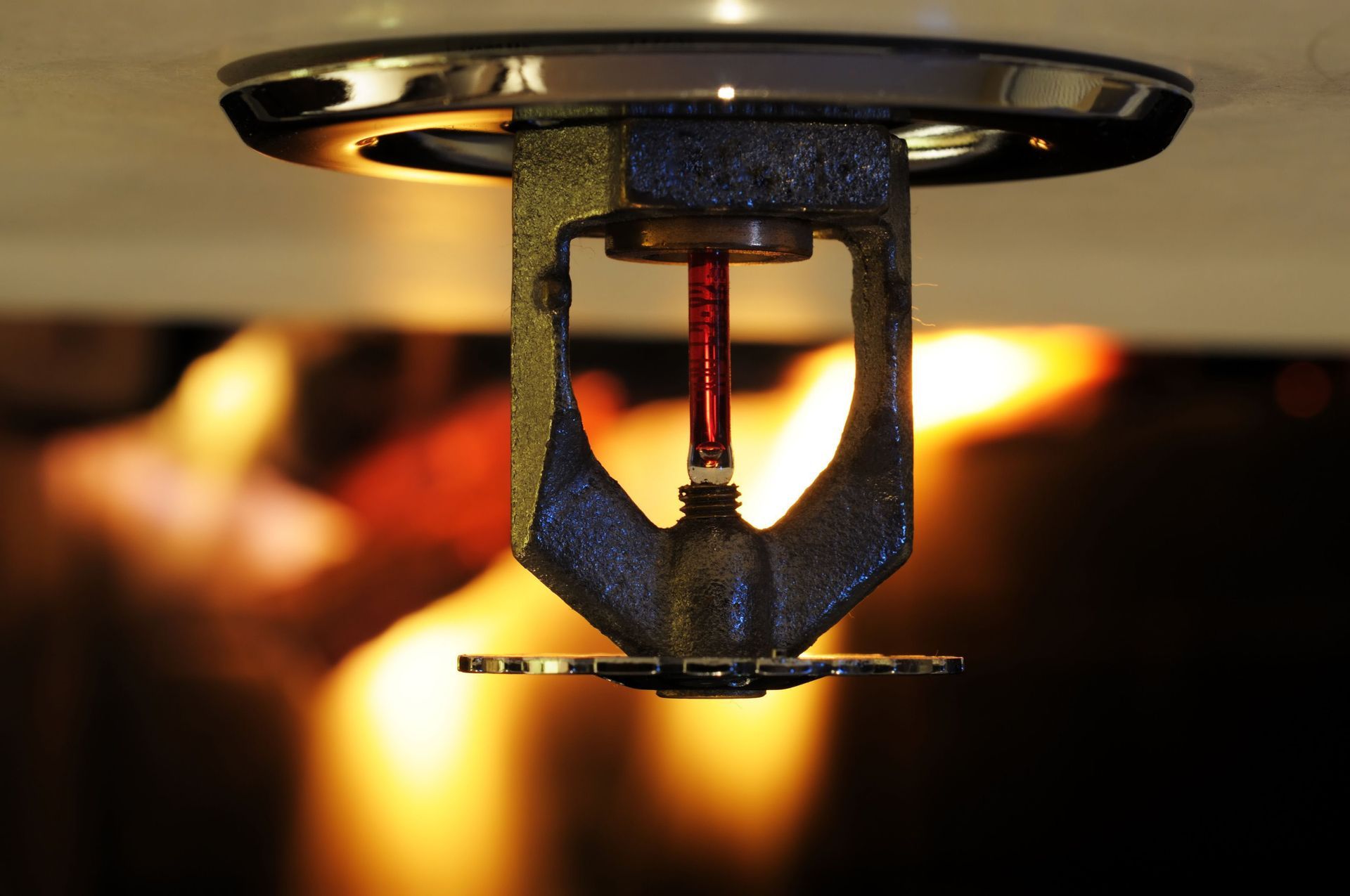
Wet pipe configurations stand as the most prevalent and straightforward option available in the modern safety market. These setups maintain water under constant pressure directly within the piping network at all times, ensuring immediate availability. When a fire occurs and generates sufficient heat, the thermal element in the closest head breaks, prompting an immediate discharge of water onto the flames. This rapid response is highly effective at controlling a fire during its initial stages, preventing the flames from spreading to adjacent areas.
The simplicity of this design offers several operational benefits for standard commercial and residential properties alike. Because there are fewer moving components compared to alternative setups, the initial installation costs are generally lower, and the long-term maintenance routines remain relatively uncomplicated. These types of fire sprinklers enjoy widespread implementation because they are highly reliable and react instantly to thermal threats. For buildings that maintain a stable, heated environment throughout the year, this approach provides a robust and cost-effective safety layer.
However, the constant presence of water introduces specific challenges that building managers must address with regular oversight. Maintaining an internal temperature above freezing is mandatory, as frozen lines can burst and cause severe water damage or render the setup entirely inoperable. Routine inspections are necessary to check for slow leaks, verify water pressure levels, and ensure that all control valves remain fully operational. Property managers must balance these operational demands against the benefits of immediate suppression when designing their infrastructure.
Evaluate Dry Pipe Systems
Dry pipe setups offer a specialized alternative designed specifically for environments where freezing temperatures present a constant threat to open water lines. Instead of holding water, the pipes in these systems are filled with pressurized air or nitrogen gas until activated. A specialized valve holds back the water supply at a remote, heated location until a thermal event triggers the system. When a fire activates a head, the pressurized gas escapes, causing the main valve to open and fill the lines.
This unique mechanism eliminates the risk of ice formation, making it the ideal choice for unheated structures and seasonal facilities. Warehouses, exposed loading docks, and parking garages frequently utilize this technology to maintain protection without risking ruptured pipes during harsh winter months. Properties that utilize these specialized fire sprinklers protect their assets from accidental leaks caused by freezing weather conditions. This expanded geographic adaptability ensures that vulnerable properties receive adequate protection regardless of seasonal climate shifts or building insulation limits.
Implementing this technology requires a higher initial investment and more sophisticated ongoing maintenance from qualified technicians. The inclusion of air compressors, specialized regulatory valves, and gas monitoring equipment increases the complexity of the overall design. There is also a slight delay in water delivery as the compressed air escapes the lines, which can affect suppression speeds during rapidly growing fires. Property owners must evaluate whether the necessity of frost protection outweighs the increased structural complexity and delayed reaction times.
Compare Both System Options
When evaluating these primary safety options, response time and environmental suitability serve as the main points of distinction. Wet setups deliver an instant torrent of water the moment a head activates, which minimizes smoke development and localized heat damage. Dry setups experience a brief operational delay while the internal air pressure drops and water travels through the empty lines. This difference in speed can be crucial depending on the specific fire hazards present within your commercial or residential facility.
Climate compatibility represents another critical divergence that dictates which system will perform reliably over a long operational lifespan. Wet configurations excel in climate-controlled spaces where freezing is impossible, providing straightforward security for standard offices and residential spaces. Conversely, dry configurations are essential for unheated zones where standard fire sprinklers would otherwise freeze and fail during severe winter drops. Selecting the wrong type for your local climate can lead to total system failure when an actual emergency arises.
Financial considerations also play a major role in the selection process for most property owners managing tight budgets. While wet systems feature lower upfront installation costs and simpler upkeep, they can become a liability if installed in freezing environments. Investing in a dry system carries higher initial costs but eliminates the risk of expensive pipe bursts in unheated areas. Long-term budget planning must account for regular testing, potential water damage mitigation, and the specific structural requirements of each design.
Select Your Property Protection
Choosing the ideal configuration involves a comprehensive analysis of your property type, local building codes, and safety goals. Residential buildings typically favor simple wet setups due to their rapid deployment capabilities and lower maintenance profiles. When considering fire sprinklers for residential properties, maximizing speed is always the main goal to save occupants' lives. According to a North Carolina report published in Yahoo! News, a majority of fatal residential blazes in 2025 occurred in homes that lacked a working smoke detector. This finding emphasizes the critical importance of maintaining fully operational warning systems alongside active suppression tools.
Commercial and industrial spaces often require a more nuanced approach based on inventory type and environmental exposure. Warehouses storing water-sensitive goods or operating in freezing conditions find immense value in dry pipe configurations that prevent accidental discharges. Reviewing local building codes and insurance policies is a necessary step, as compliance can lower your premiums and ensure legal adherence. Working closely with safety coordinators helps determine the exact structural demands and hazard classifications of your specific business location.
Future property modifications and scalability should also influence your final equipment selection before committing to an installation. Straightforward wet configurations allow for easier expansions and layout adjustments if your business grows or changes its floor plan. Dry configurations require meticulous engineering calculations to ensure that added lines do not compromise air pressure levels or water delivery times. Consulting with certified professionals ensures that your chosen system can adapt to future business goals while maintaining top-tier protection.
Selecting the right automated suppression system requires balancing environmental conditions, installation budgets, and structural demands carefully. Both wet and dry configurations provide exceptional safety benefits when deployed in their appropriate settings. Deciding on the correct fire sprinklers requires a thorough understanding of your property's climate and long-term operational needs. Prioritizing regular inspections and adhering to local safety guidelines will ensure that your equipment remains dependable for years to come.
Taking proactive steps today prevents devastating losses tomorrow while protecting the people inside your property. Investing in high-quality defense mechanisms offers peace of mind and satisfies local regulatory requirements seamlessly. Contact us today to secure your property, and let our team install the ideal fire sprinklers at Pittsburgh Fire Sprinkler.