July 22, 2026
Commercial fire safety is a critical element of modern business operations that demands ongoing vigilance. A sudden fire incident can result in catastrophic outcomes, including severe damage to physical property, complete interruption of daily operations, and devastating risks to human life. Understanding the primary origins of these incidents allows business owners to transition from reactive measures to proactive prevention strategies. By focusing on preventative safety engineering, companies can ensure they are fully prepared to handle potential fire hazards effectively.
To achieve a comprehensive level of safety, businesses must integrate modern technological systems and professional consulting into their operational budgets. One of the most effective ways to initiate this protective transition is by selecting a qualified fire alarm company to perform a baseline evaluation of the facility. Professional technicians can identify hidden hazards and recommend tailored alert systems that meet current safety codes. This proactive collaboration ensures that warning systems are fully operational and capable of providing critical notices during an emergency.
Upgrading Commercial Electrical Systems
Electrical malfunctions remain a leading cause of commercial structural fires, frequently stemming from outdated wiring, compromised insulation, and overloaded circuits. Over time, the internal infrastructure of a commercial facility can deteriorate under continuous utility use. Older buildings are particularly vulnerable because their original electrical frameworks were not designed to support the immense power demands of modern servers, highly powered office equipment, and advanced machinery. Neglecting these aging systems creates serious hazards, including short circuits and destructive electrical arcs. To prevent these dangers, business owners must prioritize systematic electrical infrastructure audits, which must be conducted by licensed commercial electricians without any delay.
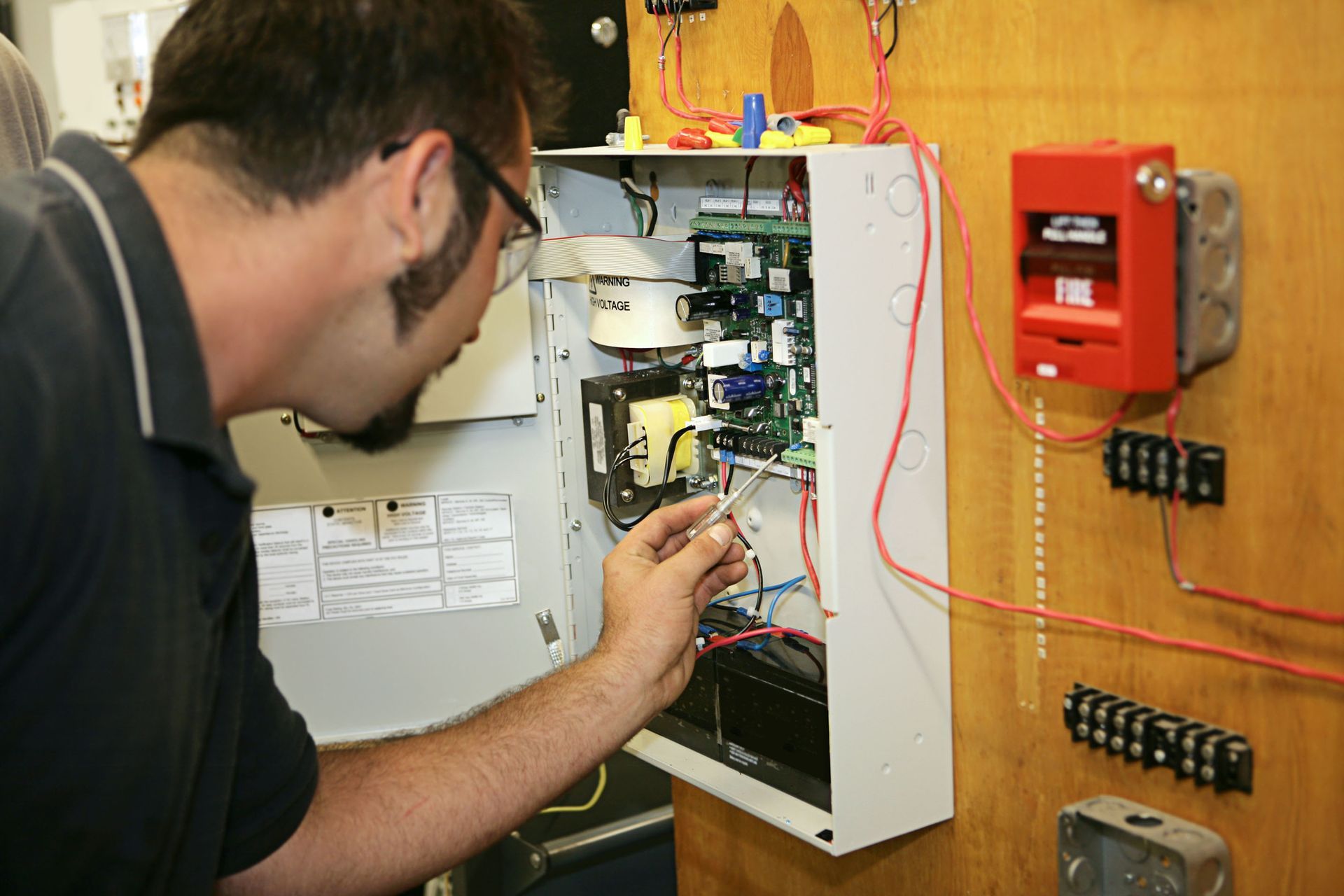
Beyond maintaining existing wiring, businesses must establish routine diagnostic programs with a certified fire alarm company to verify the integration of automatic shutoff systems. These technical specialists evaluate how electrical panels interact with building safety mechanisms, ensuring that an electrical surge does not compromise detection systems. Upgrading to modern arc-fault circuit interrupters and maintaining proper load distribution across all panels represents a major step forward in reducing risk. By continuously monitoring the thermal performance of electrical assets, organizations can address emerging issues before they escalate into open flames, securing structural integrity for the entire commercial facility on a daily basis.
Minimizing Human Error in the Workplace
Human error represents a significant, yet highly preventable, variable in the landscape of commercial fire hazards. In many instances, fires are ignited due to simple negligence, such as leaving cooking appliances unattended in break rooms, blocking ventilation grates, or using portable space heaters close to combustible materials. Employees may also mishandle specialized machinery or fail to recognize the dangers of using damaged power cables. Addressing these human factors requires a comprehensive organizational commitment to employee education, beginning with clear workplace policies regarding the safe operation of personal devices, reducing accidental ignitions dramatically across all departments of the corporate office network.
To reinforce these educational efforts, business leaders should seek specialized training resources and safety materials from an experienced fire alarm company. Professional advisors can help design customized workshops that teach staff how to properly respond to early warning signs of equipment failure. This training should also detail how to safely operate fire extinguishers and guide colleagues along designated evacuation routes. Creating a clear protocol for reporting faulty equipment is another vital step in minimizing the threat of human error, making the entire workplace a stronger line of defense against sudden, hazardous emergencies that could threaten lives or disrupt critical systems.
Maintaining Commercial Heating and Ventilation Systems
Commercial heating systems, ventilation units, and air conditioning equipment require rigorous operational oversight, particularly during seasons of extreme weather when these systems work continuously. Accumulation of dust, lint, and grease inside ductwork can turn standard ventilation pathways into highly flammable channels if an ignition event occurs. Furthermore, mechanical failures within heating units, such as cracked heat exchangers or faulty pilot lights, can easily spark localized fires that spread rapidly through ceiling plenums. Regular professional cleaning and mechanical inspections are required to ensure that all thermal components operate within safe, tested temperature parameters throughout the changing seasons of the fiscal year.
Ensuring the safety of these complex climate control installations requires a structured inspection schedule coordinated with a qualified fire alarm company. Technicians can install specialized duct smoke detectors that automatically shut down ventilation fans when combustion particles are sensed, preventing smoke from traveling throughout the building. This critical integration helps contain dangerous fumes to their point of origin, allowing occupants to evacuate safely. Business owners should verify that all heating equipment maintains a clear physical clearance from stored inventory, combining proactive spatial management with routine technical diagnostics to protect valuable assets from the severe dangers of unexpected thermal equipment failure.
Implementing Advanced Fire Safety Equipment
Deploying modern protective technology throughout a commercial property is one of the most effective strategies for minimizing fire damage. High-quality smoke detectors, automatic sprinkler systems, and accessible fire extinguishers form the core of any comprehensive facility protection strategy. According to a North Carolina report published in Yahoo! News, over 50% of all deadly house fires in 2025 occurred in homes without a smoke detector or one that wasn't working. While this statistic highlights residential vulnerabilities, the underlying lesson applies directly to commercial structures, meaning absent detection systems lead to catastrophic outcomes that endanger lives and compromise organizational safety goals completely.
To maintain the operational readiness of these detection and suppression devices, a facility must partner with a specialized fire alarm company. These professionals possess the tools and training necessary to conduct precise sensitivity testing, battery replacements, and calibration adjustments on complex detection networks. They ensure that your system complies with local fire codes and national safety standards, protecting you from liability and operational downtime. Regular maintenance checks also prevent false alarms, which can disrupt business productivity. Investing in professional support guarantees that your safety infrastructure performs exactly when needed to protect lives and valuable physical assets from sudden structural destruction.
Planning Strategic Emergency Protocols
A well-designed emergency plan is essential for coordinating swift, organized evacuations during a crisis. Without clear protocols, the sudden activation of alarms can lead to panic, confusion, and increased risk of injury among occupants. The development of a comprehensive fire safety plan should detail specific evacuation routes, designated assembly points outside the building, and assigned safety wardens responsible for clearing different zones of the facility. This document must be easily accessible to all staff members and updated regularly to reflect structural changes. By standardizing these procedures, organizations establish a predictable framework that saves lives in times of extreme danger.
To validate the effectiveness of these evacuation strategies, companies should conduct regular practice drills that simulate various emergency scenarios. These drills should be evaluated using feedback mechanisms established by a certified
fire alarm company to identify any bottlenecks or communication failures. If exit pathways are found to be congested or if employees are unsure of where to gather, the emergency plan must be adjusted. Coordination with local fire departments during these exercises also helps emergency responders familiarize themselves with the layout before an incident occurs, ensuring every single individual on the premises acts decisively during real life emergency evacuation situations.
Now is the time to evaluate your commercial property and implement a comprehensive fire protection strategy. Do not wait for a minor malfunction to escalate into a costly disaster that threatens your livelihood and the safety of your team. Reach out to the team at Pittsburgh Fire Sprinkler today to schedule a detailed safety assessment and discuss modern monitoring solutions. Their experienced team is ready to help you install, maintain, and monitor the ideal protective systems tailored to your specific industry needs.