April 7, 2026
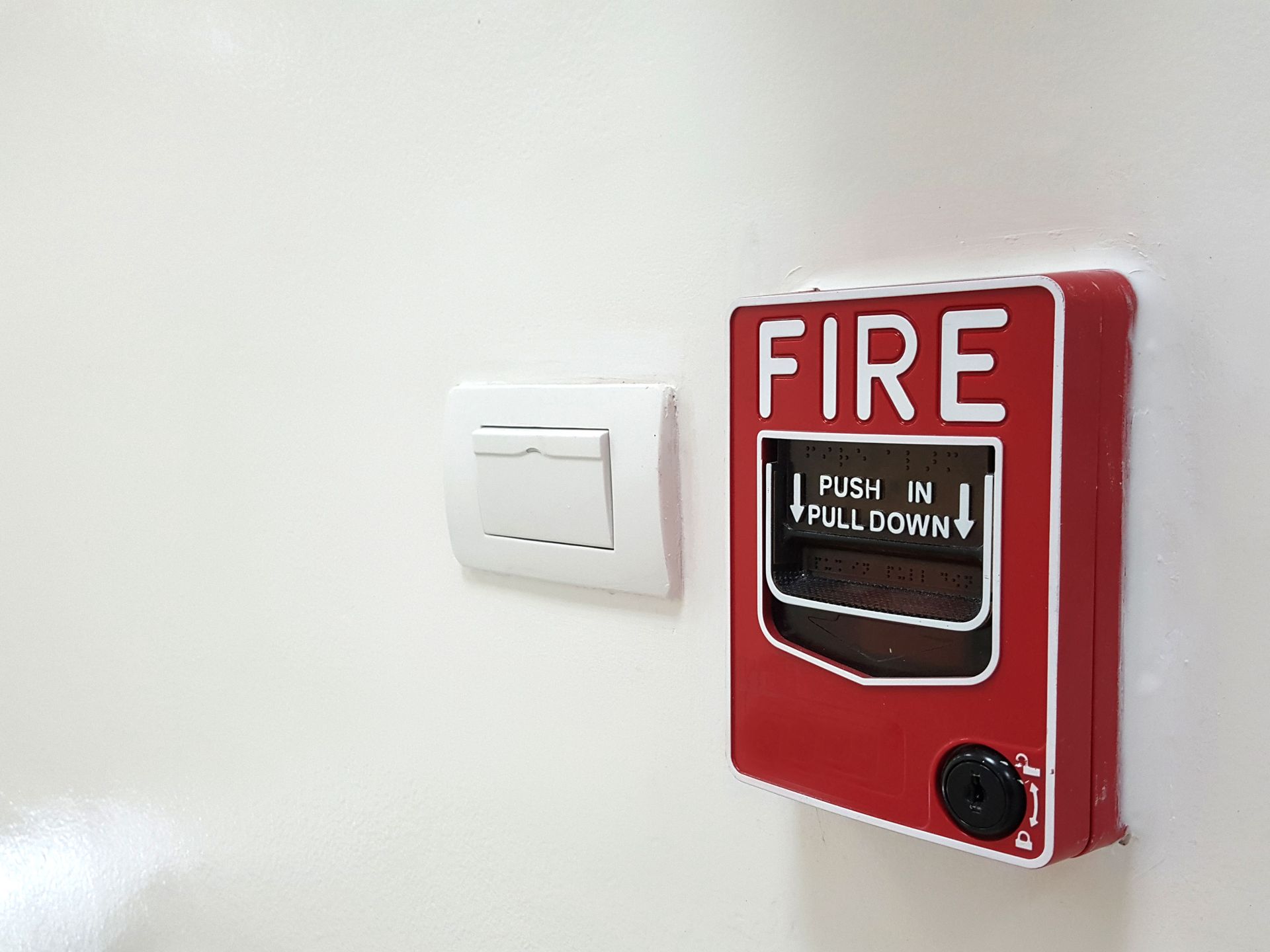
Fire protection has evolved significantly in recent years, especially for property owners who rely on dependable systems to protect lives and assets. Modern fire alarms are part of a complete fire protection strategy that includes installation, maintenance, testing, and inspections. These systems are designed to provide early warnings, support fast response times, and help buildings meet current safety requirements.
Today’s fire alarms go far beyond simple alert systems. They are designed to work alongside sprinkler systems, emergency lighting, and suppression equipment to create a unified safety network. With proper installation and ongoing service, fire alarms help detect issues early, improve response times, and support code compliance for commercial and industrial properties.
Smart Detection Improvements in Fire Alarm Systems
Advanced Detection for Early Response
Modern fire alarms are built to detect potential threats earlier than ever before. Through improved sensor technology, these systems can identify smoke, heat, and environmental changes quickly, allowing building occupants to respond before conditions worsen. Early detection plays a critical role in minimizing damage and protecting lives, especially in high-occupancy buildings.
Integration With Fire Protection Systems
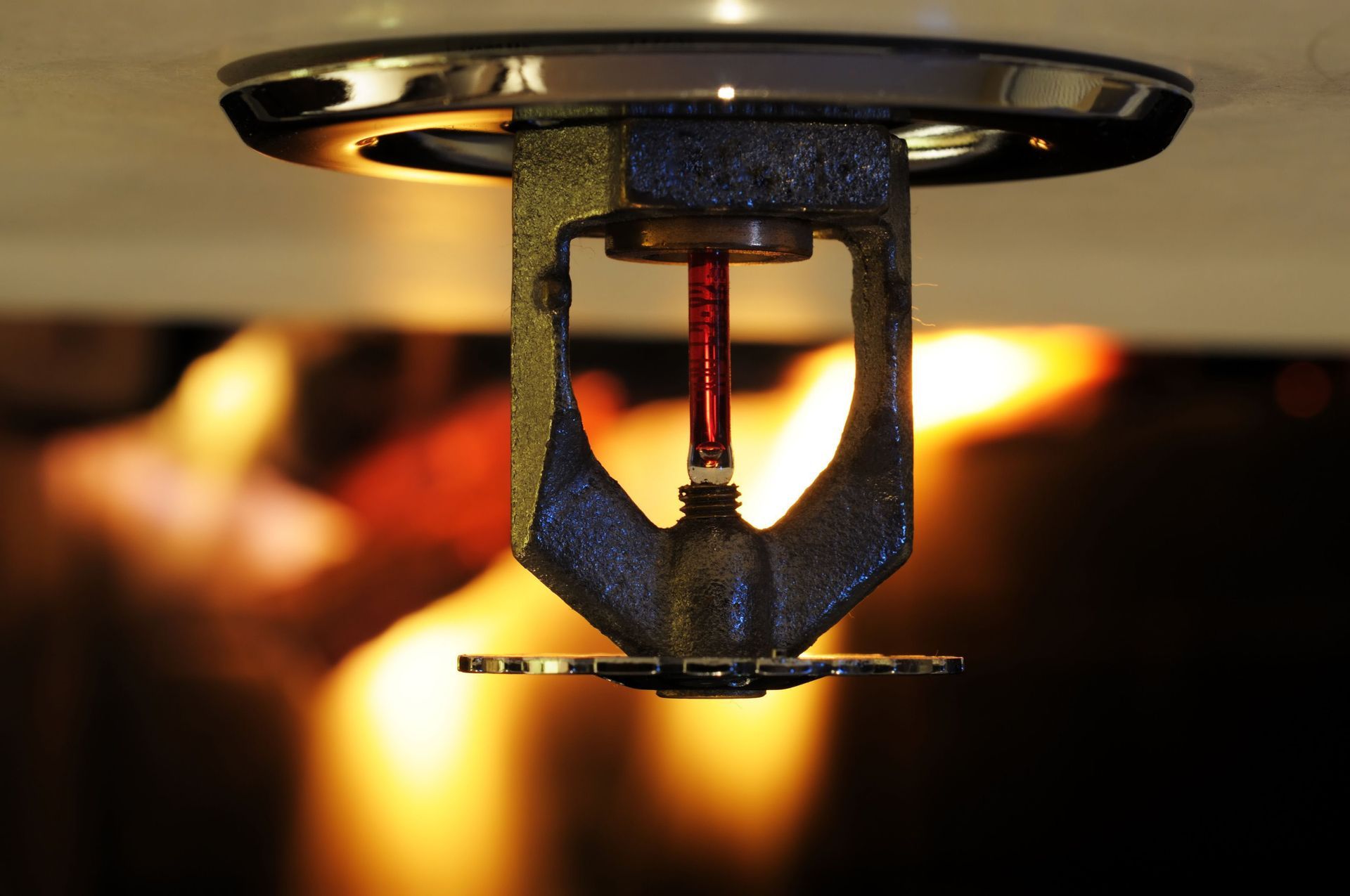
Fire alarms are not standalone solutions. They are often integrated into broader fire protection systems that include sprinklers, fire pumps, and suppression equipment. This coordinated approach allows alarms to trigger additional safety measures automatically, such as activating sprinkler systems or alerting building management.
Reducing False Alarms
Improved system design has also helped reduce false alarms, which can disrupt operations and create unnecessary emergency responses. Properly installed and maintained fire alarms provide more accurate detection, helping alerts trigger only when real risks are present. Routine inspections and testing play a major role in maintaining this accuracy.
Customized System Design
Each property has unique fire protection needs. According to NFPA.org, local fire departments responded to an estimated 1.38 million fires in the United States in 2024. Whether it’s a commercial facility, industrial space, or multi-unit building, fire alarms can be tailored to match layout, occupancy, and risk level. Custom system design helps provide dependable coverage throughout the entire property.
Fire Alarm Installation and System Setup
Professional Installation Matters
Installing fire alarms requires careful planning and technical knowledge. Professional installation helps systems operate correctly from day one. Proper setup supports reliable performance and helps properties meet local fire safety regulations.
System Components and Configuration
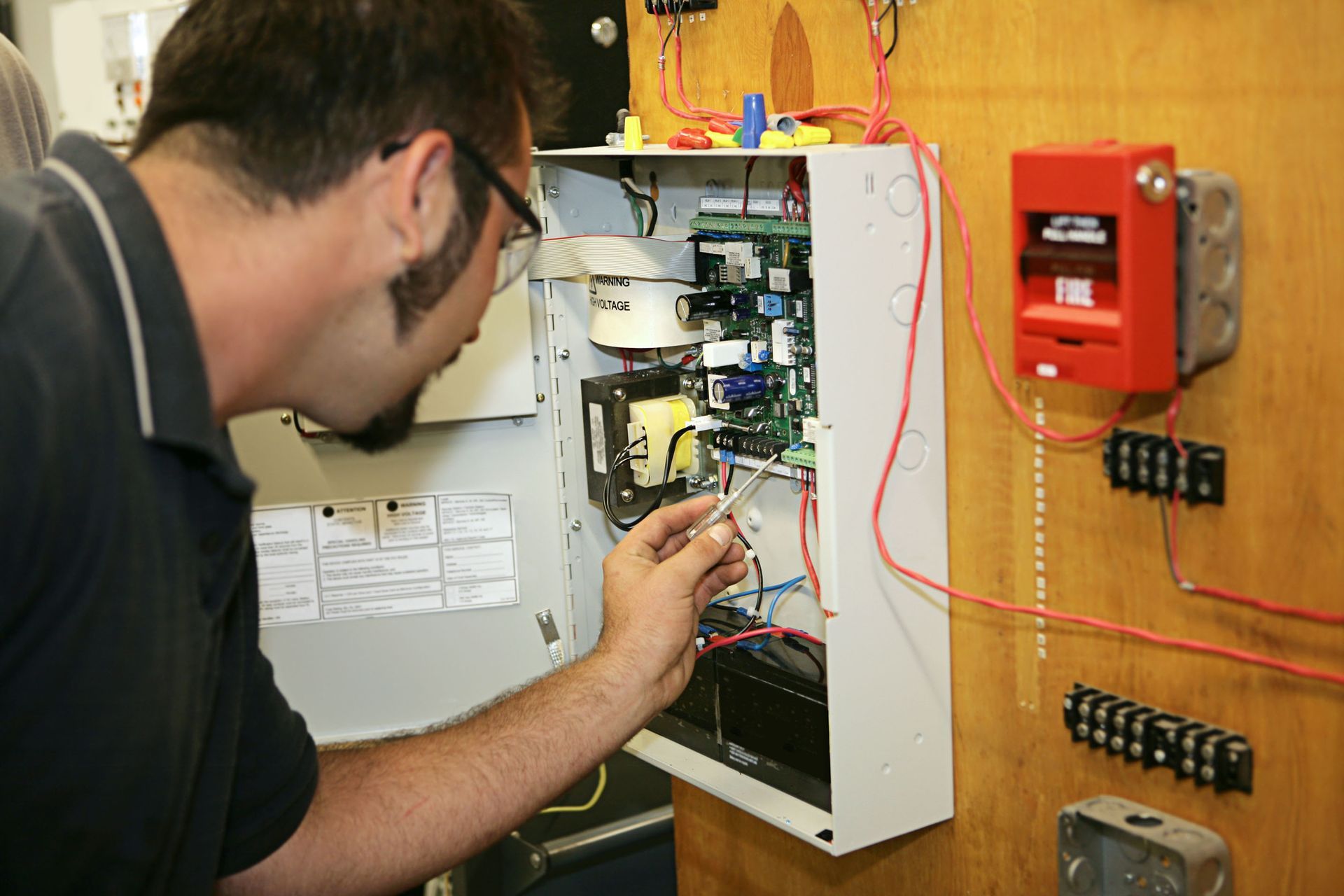
A fire alarm system includes multiple components such as control panels, detectors, notification devices, and wiring. Each component must be installed and configured correctly to function as a unified system. Fire alarms that are properly set up can quickly communicate alerts across an entire building.
Compliance With Local Codes
Fire alarms must meet local and national fire codes to remain compliant. Installation services from experienced professionals help confirm that systems align with current standards, reducing the risk of violations or safety concerns. Code-compliant systems also support inspection requirements.
Seamless Integration With Existing Systems
For buildings with existing fire protection equipment, fire alarms can be integrated into current systems without requiring a complete overhaul. This approach allows property owners to upgrade their safety infrastructure while maintaining daily operations.
Fire Alarm Testing and Inspections
Importance of Routine Testing
Routine testing is essential for keeping fire alarms in working condition. Regular evaluations help identify potential issues before they become serious problems, improving overall system reliability.
What Testing Includes
Testing services typically include checking smoke detectors, heat sensors, control panels, and notification devices. These evaluations confirm that fire alarms respond properly and communicate alerts effectively throughout the building.
Supporting Safety and Reliability
Regular inspections help maintain system reliability, keeping fire alarms ready when needed. Identifying faults early reduces the risk of system failure during an emergency and helps property owners maintain confidence in their fire protection setup.
Meeting Inspection Requirements
Many properties are required to schedule periodic inspections to remain compliant with fire safety regulations. Fire alarms that undergo consistent testing are more likely to meet these requirements and pass inspections without issue.
Fire Alarm Maintenance and Ongoing Service
Preventative Maintenance Programs
Ongoing maintenance is key to keeping fire alarms functioning properly over time. Preventative service programs focus on system upkeep, helping prevent unexpected failures and extend system lifespan.
Addressing Wear and Tear
Like any system, fire alarms experience wear and tear. Regular servicing allows technicians to replace components, update settings, and address minor issues before they escalate into costly repairs.
Emergency Repair Services
In the event of a system malfunction, prompt repair services help restore functionality quickly. Fast response times help reduce downtime and keep buildings protected at all times.
Long-Term System Performance
With proper maintenance, fire alarms can deliver consistent performance for years. Routine service helps protect the investment property owners make in their fire protection systems while maintaining safety standards.
Remote Monitoring and System Communication
Real-Time Alerts
Modern fire alarms can provide real-time alerts that notify occupants and building managers immediately. Faster communication allows for quicker responses, which can help reduce damage and improve safety outcomes.
Centralized System Oversight
Fire alarms can be monitored from centralized systems, giving property managers better visibility into system performance. This capability is especially useful for facilities with large layouts.
Supporting Emergency Response
When fire alarms are triggered, clear and immediate communication helps emergency responders act quickly. Systems that provide accurate information improve coordination and allow for more effective response efforts.
Enhancing Property Safety
Remote monitoring adds another layer of protection by keeping systems under observation. This proactive approach supports early detection and helps maintain a safer environment for occupants.
Code Compliance and Safety Standards
Understanding Fire Safety Requirements
Fire alarms must comply with strict safety codes established by industry organizations. These standards guide installation, testing, and maintenance practices to promote reliable system performance.
Staying Up to Date With Regulations
Regulations can change over time, making it important to keep fire alarms updated. Routine inspections and system updates help maintain compliance with current codes.
Supporting Inspections and Documentation
Proper documentation and reporting are essential for compliance. Fire alarms that are regularly serviced and inspected provide clear records that can be used during fire marshal inspections.
Reducing Liability Risks
Maintaining compliant fire alarms helps reduce liability risks for property owners. Systems that meet safety standards are more likely to perform as expected during emergencies.
Upgrading Older Fire Alarm Systems
Identifying When an Upgrade Is Needed
Older fire alarms may not perform as efficiently as newer systems, especially if components have become outdated or worn over time. Signs such as frequent false alarms, delayed response times, or difficulty sourcing replacement parts can indicate that an upgrade is necessary. Evaluating system performance regularly helps property owners determine when improvements are needed.
Improving System Reliability
Upgrading fire alarms can significantly improve reliability and overall performance. Newer systems are designed with enhanced detection capabilities and improved communication features, allowing alerts to be delivered faster and more accurately. These upgrades help reduce risks and support more dependable operation during emergencies.
Enhancing Compatibility With Modern Systems
Modern fire alarms are designed to integrate more effectively with other fire protection systems, including sprinklers and monitoring equipment. Upgrading allows older systems to work seamlessly with newer technology, creating a more connected and responsive safety network throughout the property.
Supporting Long-Term Compliance
As fire safety codes evolve, older systems may no longer meet current requirements. Upgrading fire alarms helps property owners stay compliant with updated regulations and avoid potential issues during inspections. Staying current with system upgrades also supports long-term safety and operational efficiency.
Upgrading and maintaining fire alarms is one of the most important steps property owners can take to protect their buildings. With professional installation, regular testing, and ongoing maintenance, these systems provide dependable early detection and support fast emergency response.
For property owners looking for dependable fire protection services, Pittsburgh Fire Sprinkler offers installation, inspections, maintenance, and emergency support to help keep fire alarms operating at their best. Working with an experienced provider helps maintain compliance, improve system reliability, and create safer environments for everyone inside the building. Contact Pittsburgh Fire Sprinkler today for more.